


Root Canal Procedure
What is a root canal?
A root canal is one of the most common dental procedures performed, well over 14 million every year. This simple treatment can save your natural teeth and prevent the need of dental implants or bridges.
At the center of your tooth is pulp. Pulp is a collection of blood vessels that helps to build the surrounding tooth. Infection of the pulp can be caused by trauma to the tooth, deep decay, cracks and chips, or repeated dental procedures. Common signs you need a root canal may include visible injury or swelling of the tooth, sensitivity to temperature, or pain in the tooth and gums.
If you experience any of these symptoms, your dentist will most likely recommend non-surgical root canal treatment to eliminate the diseased pulp. During the root canal procedure, this injured pulp is removed, and the root canal system is thoroughly cleaned and sealed. Root canal therapy usually involves local anesthesia and may be completed in one or more visits depending on the treatment required. Success for this type of treatment occurs in about 90% of cases. If your tooth is not amenable to endodontic treatment or the chance of success is unfavorable, you will be informed at the time of consultation or when a complication becomes evident during or after treatment. Dr. Khalilkhani, Dr. Daghighi, Dr. Kamura, Dr. Jalali, Dr. Farhadian, Dr. Knight, Dr. Kim, Dr. Eskander, Dr. Saadat, Dr. Wang, Dr. Ghaben and Dr. Wang use local anesthesia to eliminate discomfort. In addition, we will provide nitrous oxide analgesia, if indicated. You will be able to drive home after your treatment, and you probably will be comfortable returning to your normal routine.
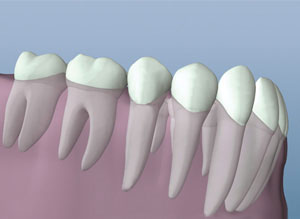
Healthy Tooth
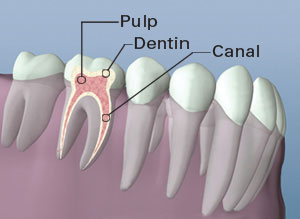
Tooth Anatomy
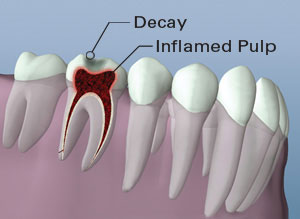
Inflammation
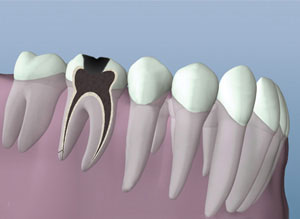
Cleaned Canals
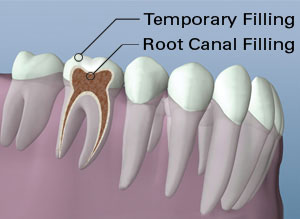
Filling Placed
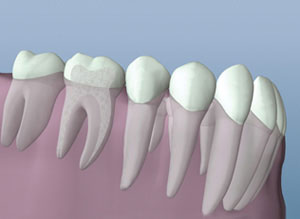
Healed Tooth
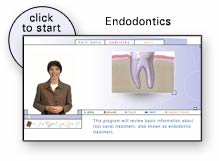
Endodontic Presentation
To provide you with a better understanding of endodontic procedures, we have provided the following multimedia presentation. Many common questions pertaining to root canal therapy are discussed.
What happens after a root canal procedure?
When your root canal therapy has been completed, a record of your treatment will be sent to your restorative dentist. You should contact their office for a follow-up restoration within a few weeks of completion at our office. Your restorative dentist will decide on what type of restoration is necessary to protect your tooth.
For most patients, root canal recovery is straightforward. It is rare for endodontic patients to experience complications after routine endodontic treatment or microsurgery. If a problem does occur, however, we are available at all times to respond. To prevent further decay, continue to practice good dental hygiene.
How much will a root canal procedure cost?
The cost associated with root canals can vary depending on factors such as the severity of damage to the affected tooth and which tooth is affected. In general, endodontic treatment is much less expensive than tooth removal and replacement with an artificial tooth.
Other Frequently Asked Questions About Root Canal Treatment
How painful is a root canal procedure?
A root canal procedure is typically performed with local anesthesia to help eliminate discomfort. Many patients are surprised to find that the treatment feels similar to having a routine filling.
How long does a root canal take to do?
How long a root canal takes depends on the tooth being treated and the complexity of the case. Some root canal treatments can be completed in one visit, while others may require more than one appointment.
What should I not do after a root canal?
After a root canal, avoid chewing on the treated tooth until your dentist has placed the final restoration. You should also continue brushing, flossing, and following any aftercare instructions provided by your dental team.
How painful is a root canal on a scale of 1 to 10?
With local anesthesia, most patients experience little to no pain during the procedure. Any soreness after treatment is usually manageable and temporary.